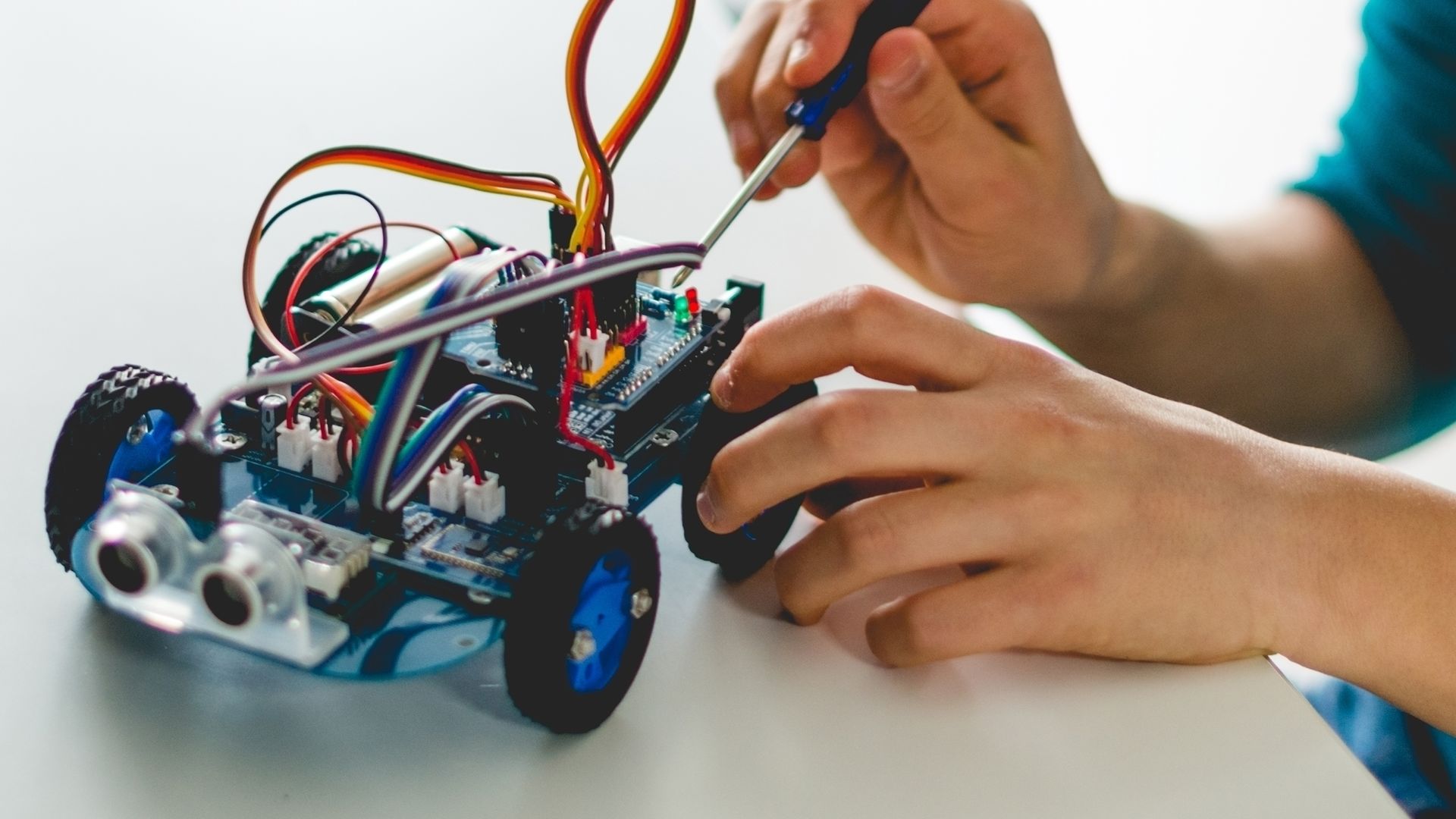
⚠ Electrical Toys That Fail Safety Testing Don't Get a Second Chance
Electrical toys present a dual compliance challenge that many manufacturers only identify after a failure occurs. Electrical safety risks such as overheating batteries, inadequate insulation, or exposed high-current components can trigger mandatory recalls by the U.S. Consumer Product Safety Commission (CPSC) and product safety alerts across the EU, with every recall publicly recorded and permanently searchable.
Chemical compliance failures, including lead in surface coatings, excessive phthalates, or restricted heavy metals, can lead to enforcement actions under regulations such as CPSIA, REACH, and California Proposition 65. A product that passes an internal supplier quality check may still fail third-party laboratory testing, customs inspections, or retailer compliance audits.
Major toy retailers and e-commerce platforms also enforce their own compliance requirements in addition to regulatory standards. Without valid third-party test documentation, products can be delisted from both physical shelves and online listings within days of a compliance issue being flagged.
Because children are the end users, toy safety carries a zero-margin-for-error threshold. The reputational impact of a recall can persist for years and significantly affect long-term brand trust.
Why QIMA for Electrical Toy Testing?
Accredited labs, certifiable results: Testing is performed in ISO/IEC 17025-accredited laboratories, so your ASTM F963, EN 62115, and EN 71 reports are accepted by certification bodies and regulatory authorities without requiring retesting.
Electrical and chemical testing under one roof: QIMA covers both electrical safety and chemical compliance, including heavy metals, phthalates, PAHs, and RoHS, from a single test engagement. This removes the need to split programs between separate electrical and chemical laboratories.
Independent sampling, not supplier-selected: QIMA conducts independent sample selection to ensure representative production samples are tested, not curated or pre-selected units. Results reflect actual manufacturing conditions rather than isolated batches.
Standards expertise across all major toy markets: Laboratory experts are trained in ASTM F963, EN 62115, ISO 8124, CPSIA, and Chinese GB standards, covering requirements across the US, EU, Canada, and China through a single testing partner.
Online program management via myQIMA: Book tests, track progress, and download reports across multiple products and markets through the myQIMA platform, accessible on desktop and mobile for centralized program management.
Take Your Quality Management Online
QIMA offers an intelligent online platform to help you seamlessly manage your quality control and global supply network.
Easily book, cancel, or reschedule inspections, make payments, or download your inspection reports with just a few clicks. We also provide a customizable dashboard with all your quality control data, so you can identify trends and make informed decisions in real time.
How Electrical Toy Testing Works
Step 1: Define your scope and target markets
Tell QIMA your product type, destination markets, and production stage. Our engineers identify the applicable standards for each market, including ASTM F963 and CPSIA for the US, EN 62115 and EN 71 for the EU, ISO 8124 globally, and Chinese GB standards for China. A complete test plan is then built covering electrical safety, chemical compliance, and physical and mechanical requirements, so you understand exactly what is being tested and why before submission.
Step 2: Sample collection
QIMA collects or receives samples using a representative sampling methodology, not supplier-selected units. This ensures results reflect actual production quality rather than curated or best-performing samples. Sampling can be performed at pre-production, during production, or on finished goods depending on your program.
Step 3: Laboratory testing across all disciplines
Your samples are tested in QIMA ISO/IEC 17025-accredited laboratories. Electrical safety and EMC testing, chemical analysis (including heavy metals, phthalates, PAHs, and RoHS), and physical and mechanical testing (sharp edges, small parts, drop, impact, and flammability) are conducted in parallel where possible to reduce overall turnaround time without reducing scope.
Step 4: Test report delivered via myQIMA
You receive a detailed test report with pass/fail results against each applicable standard, including full test data and traceability. Reports are formatted for direct submission to certification bodies for schemes such as the GS Mark, CB Scheme, or internal certification programs without additional reformatting.
Step 5: Certify and launch, or correct and re-test
Passing results feed directly into certification applications. If failures occur, your report identifies the failed test by test type, standard and component. Most issues are resolved without restarting the full process.
ISO/IEC 17025-Accredited Electrical Toy Testing. Results Your Certifiers Will Accept
Share your product and target markets, and we'll send you a quote within 24 hours. No commitment.
Electrical Toy Testing Requirements
When it comes to toys, the most common hazards are related to choking, strangulation, entrapment, suffocation, toxicity, cuts, punctures, instability, and weak components. Electrical toys pose additional risks. Quality control and testing requirements are largely focused on minimizing the risks.
Manufacturers and importers must certify that their products comply with the standards of their target market, and EU and US regulations require that toys be tested by an accredited third-party laboratory. QIMA’s accredited and internationally active laboratories provide extensive electrical toy testing services, and our strong lab calibration experience ensures consistent test methods, results and service quality between labs.
The most common electrical toys regulations and standards we test against include:
ASTM F963-23 – Standard Consumer Safety Specification for Toy Safety [US]
CPSIA – Consumer Product Safety Improvement Act [US]
ISO 8124 – Safety of Toys [Global]
EN 71 – Toy Safety [EU]
EN 62115 (IEC 62115) – Electrical Toys [EU / Global]
Canada Consumer Product Safety Act (CCPSA) [Canada]
China GB standards – physical and mechanical properties of general and specific toys [China]
Electrical Toy Testing Expertise
QIMA laboratory tests ensure that your electrical toys meet the standards and regulations of your destination market. We can also conduct lab tests at every stage of your production cycle, including pre-production, production, and after market, testing samples of raw materials as well as finished products. Our sample collection process ensures that we evaluate a representative sample, not just the sample a supplier may want you to test.
Depending on the product, QIMA's laboratories perform the tests in the table below to ensure that electrical toys meet the quality and safety standards of your destination market. For any additional testing you may need, we provide custom test programs to meet your requirements.
| Electrical Tests | Chemical Tests | Physical / Mechanical Tests |
| Electromagnetic compatibility (EMC/EMI) | Heavy metal analysis (lead, cadmium, mercury, nickel) | Sharp points/edges |
| Eco design | Formaldehyde release | Small parts |
| Low Voltage Directive compliance | Plasticizers (phthalates) | Compression test |
| Machinery Directive compliance | Polycyclic aromatic hydrocarbons (PAH) | Tension/torque tests |
| Product Safety Directive compliance | Seam strength tests | |
| Radio Equipment Directive (RED) | Toxics in packaging | Load tests |
| FCC radio equipment testing for wireless and RF products | Colorfastness of textiles | Drop/impact tests |
| Product safety testing (UL/IEC) | Disengagement test | |
| Flammability test |
Certifications for the Electrical Toy Industry
In-house / fit-for-use quality and test marks: For brands that want to communicate verified product quality directly to consumers. QIMA's FFU Mark and QIMA Mark let you put proof on the product itself.
Cybersecurity Compliance for Connected and App-Enabled Toys
Connected toys using Wi-Fi, Bluetooth, or mobile applications face compliance requirements that extend beyond mechanical and electrical safety. In the EU, the Radio Equipment Directive (RED) now requires cybersecurity measures for any product that processes personal data or connects to the internet, including toys. Non-compliance can result in denied market access before any units are sold.
QIMA cybersecurity testing services evaluate connected toys against relevant market requirements, covering data protection, network security, and vulnerability assessment. Testing can run in parallel with electrical and chemical safety programs, enabling a single coordinated timeline with one partner and no fragmentation across providers.
Learn more about QIMA cybersecurity testing →
Trusted by 30,000 Brands to Get Testing Right
30,000
Clients worldwide
100+
Countries covered
6,000+
Field and lab experts
72
Net Promoter Score
QIMA laboratories are ISO/IEC 17025-accredited, the internationally recognised standard for testing and calibration laboratory competence. Our reports are accepted for GS Mark, CB Scheme, and FFU Mark certification, and by retailers and regulatory authorities in the US, EU, China, and Canada.
Frequently Asked Questions
1. How much does electrical toy testing cost?
Pricing depends on your target markets, number of test items, and whether electrical, chemical, and physical testing are run in parallel or separately. Bundling all three in a single program is typically more cost-effective than using multiple labs. You can request a quote and receive a full breakdown within 24 hours.
2. How long does electrical toy testing take?
Standard turnaround is 15 to 25 working days depending on test scope and target markets. Rush programs are available. If you have a shipment or launch deadline, you can share it when requesting a quote so the program can be structured accordingly.
3. My toy already passed testing in Europe. Do I need to test again for the US?
Yes. EN 62115 (EU) and ASTM F963 (US) have overlapping but distinct requirements, and CPSIA introduces additional chemical restrictions. However, QIMA can run EU and US testing in parallel within a single program to reduce total time and cost compared to sequential testing.
4. Do I need to test every product variant separately?
Not necessarily. Requirements depend on whether variants share the same circuit design, materials, and battery configuration. QIMA technical teams review product ranges before testing begins and group variants where standards allow, avoiding unnecessary duplicate testing.
5. What happens if my product fails a test?
You receive a detailed failure report identifying the exact test, measured values, and applicable limits. Only failed items are retested after changes are made. Most issues are resolved within one revision cycle.
6. Are QIMA test reports accepted by certification bodies?
Yes. QIMA laboratories are ISO/IEC 17025-accredited, the international standard for testing laboratory competence. Reports are accepted for GS Mark, CB Scheme, and FFU Mark certification, as well as by retailers and regulatory authorities across major global markets.
7. Do you test connected or app-enabled toys for cybersecurity?
Yes. QIMA provides cybersecurity testing for connected toys alongside electrical and mechanical safety testing, allowing full compliance coverage through a single provider.
Need more information?
By contacting QIMA you agree to our privacy policy and terms and conditions.